
Why Expertise Matters in Excavating
Successful construction projects depend on proper site preparation before building begins. Professional excavating helps establish stable ground, manage drainage, and prepare sites for residential or commercial development. Experienced professionals assess site conditions, select suitable equipment, and coordinate work with other construction activities. This expertise helps identify potential complications early, support project safety, and reduce avoidable delays throughout the construction process.
Understanding Site Conditions Before Work Begins
Every property presents different challenges beneath and around the surface. Soil composition, ground slope, drainage patterns, underground utilities, and nearby structures can all affect how a site should be prepared. Reviewing these conditions before work starts helps establish a practical plan and identify concerns that may require additional attention.
Soil conditions are particularly important because different materials respond differently to excavation. Sandy soils, clay, gravel, and mixed ground can vary in stability, moisture retention, and ease of removal. Clay, for example, may become difficult to work with when wet, while loose or saturated soils can present stability concerns. Understanding these differences helps professionals determine suitable equipment and work methods.
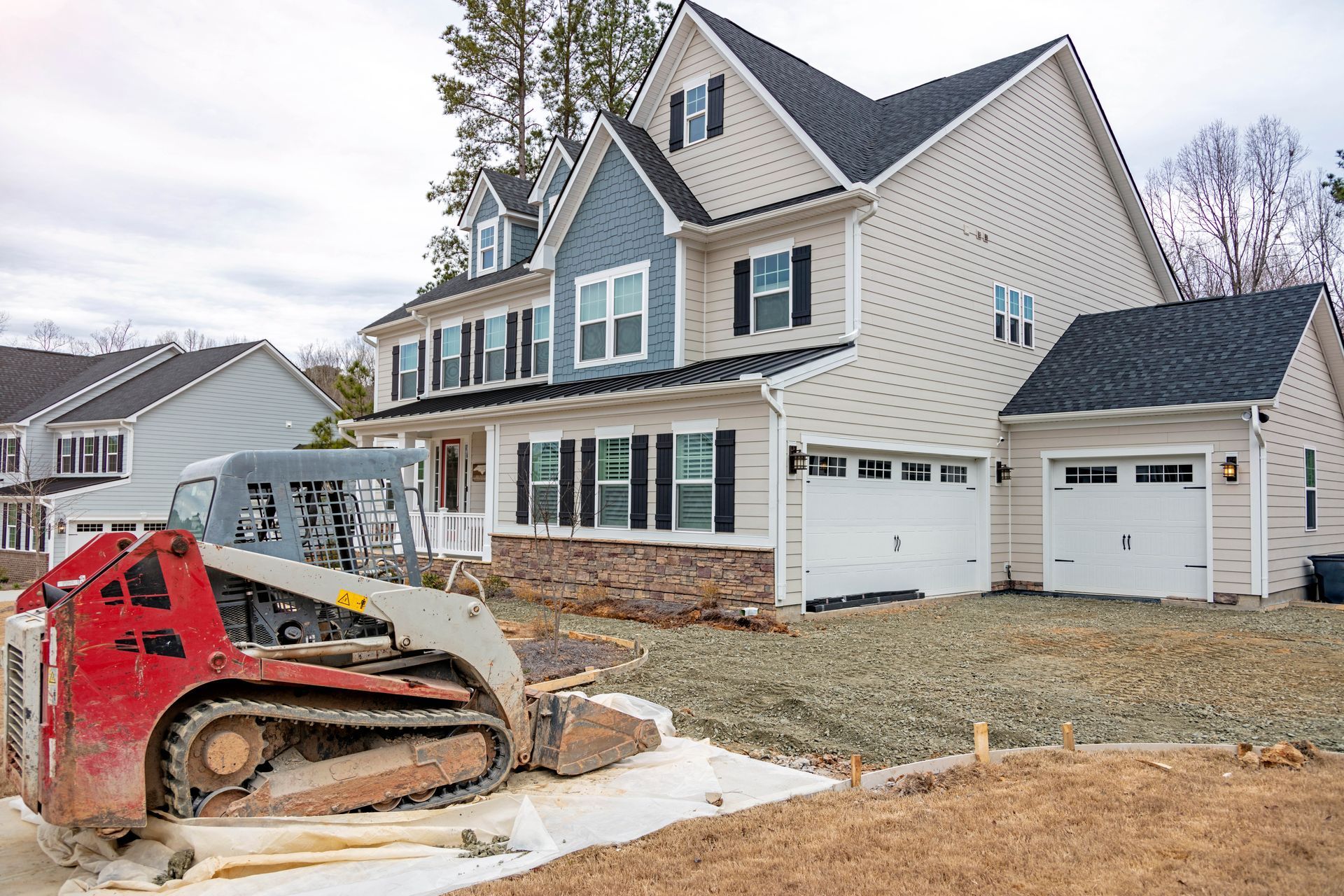
Site grading and excavating require careful evaluation of natural slopes, building elevations, drainage patterns, and nearby features. Trees, retaining walls, driveways, and neighboring structures may affect equipment access or require additional precautions. Assessing these conditions early helps crews plan soil removal, establish appropriate ground elevations, reduce potential damage, and identify concerns before they affect construction schedules or project budgets.
Selecting Equipment for Project Requirements
Choosing the right machinery is an important part of efficient site preparation. Equipment must suit the project's scale, soil conditions, available working space, and required digging depth. Using machinery that is too large for a confined property may complicate access, while equipment with insufficient capacity can slow progress on demanding jobs.
According to Shop.EquipmentShare.com, mini and compact excavators generally lift loads weighing between 1,500 and 7,000 pounds. This range illustrates how compact equipment can serve projects with varying lifting requirements, although actual capacity depends on the machine model, configuration, and operating conditions. Lifting limits must be verified using the manufacturer's specifications and the planned working setup.
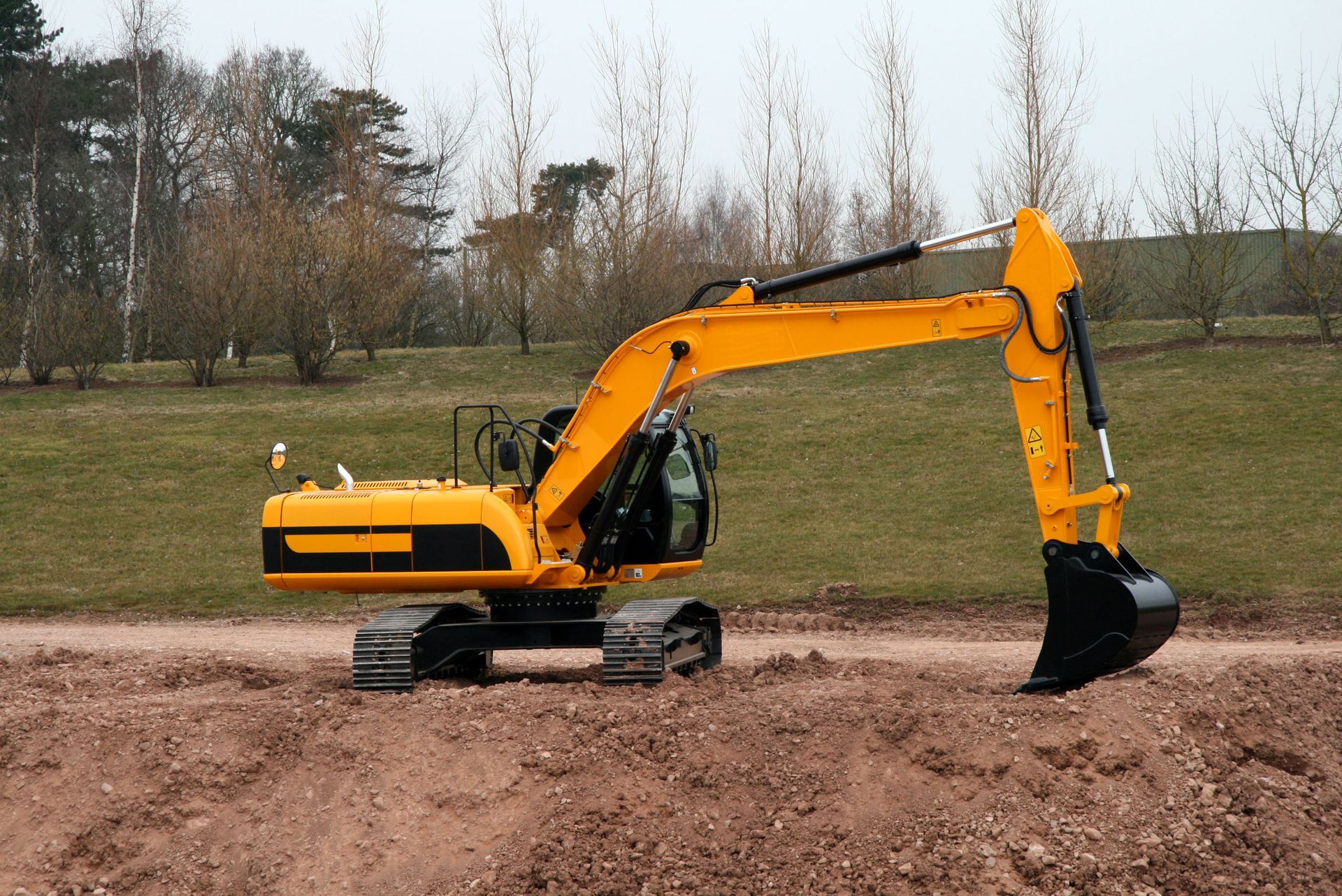
Compact excavators can be useful in residential areas, smaller construction sites, and locations where maneuverability matters. Larger machines may be better suited to extensive grading, substantial soil removal, or projects requiring greater digging depth and reach. The appropriate choice depends on the work rather than machine size alone.
Attachments such as buckets, breakers, and augers support different excavating tasks but must match the machine and project requirements. Experienced operators select suitable equipment configurations to improve performance and maintain safety. Matching machinery to site access and project needs can reduce unnecessary repositioning, support productivity, and help crews complete work according to the construction schedule.
Protecting Underground Utilities and Nearby Structures
Ground disturbance can affect infrastructure that is not visible from the surface. Water lines, sewer connections, gas pipes, electrical cables, and telecommunications lines may run beneath a property. Damaging these utilities can create safety hazards, interrupt essential services, and cause expensive project delays.
Before digging begins, appropriate utility locating procedures are essential. Requirements vary by location and project, but contacting the relevant utility-locating service and following applicable regulations helps identify underground infrastructure. Markings and records provide important guidance, although they do not eliminate every uncertainty about a site's conditions.
Experienced professionals take utility information into account when planning excavation boundaries, equipment movement, and digging methods. If unexpected infrastructure or conflicting site information appears, work may need to pause while the situation is assessed. Responding carefully helps protect workers, property owners, and the surrounding community.
Nearby structures require careful consideration during excavating, as digging can affect foundations, retaining walls, sidewalks, and other features. Soil conditions, excavation depth, and proximity influence potential risks. Qualified professionals can identify when engineering guidance or protective measures are needed. Careful planning is especially important in established neighborhoods with older utilities and limited working space, helping minimize disruption.
Managing Drainage and Grading Effectively
Water management is a major consideration in site preparation. Rainfall, snowmelt, soil permeability, and the property's slope influence how water moves across the land. When grading does not account for these factors, runoff may collect in low areas, erode exposed soil, or affect nearby structures.
Professional excavating work can help establish grades that support the project's drainage plan. This may involve removing high spots, redistributing soil, preparing building pads, or shaping the ground to direct water toward approved drainage areas. The appropriate solution depends on site measurements, local requirements, and the planned use of the property.
Weather can complicate outdoor construction schedules. Heavy rain may soften soil, create muddy access routes, and reduce the stability of working surfaces. During colder months, frozen ground can make digging more difficult, while thawing conditions may leave soil saturated. Experienced crews account for seasonal conditions when planning work and determining whether site conditions are suitable for continued operations.
Effective excavating includes drainage planning that accounts for the property's long-term needs. Finished slopes and drainage features should complement the building layout, landscaping, and surrounding land. Coordinating these elements early can reduce the need for later corrections. Although proper grading cannot prevent every drainage issue, careful assessment and execution help establish a stable foundation for the next construction phase.
Coordinating Work With the Construction Schedule
Site preparation is closely connected to the work that follows. Foundation contractors, utility installers, concrete crews, landscapers, and builders often depend on the site being ready at specific points in the project. Delays during initial groundwork can affect multiple trades and disrupt the overall schedule.
Experienced contractors understand the importance of communication and sequencing. Before work begins, teams should establish the intended site elevations, access requirements, material handling plans, and deadlines that affect other contractors. Clear expectations help reduce confusion and allow project participants to prepare for upcoming tasks.
Soil removal and placement also need coordination. Depending on project requirements, excavated material may be suitable for reuse, require testing, or need to be transported to an approved location. Planning for material handling helps prevent unnecessary stockpiling, access restrictions, and delays caused by limited space.
Unexpected conditions, such as buried debris, unsuitable soil, or groundwater, may require plan adjustments. Professionals communicate these findings and coordinate with project participants before proceeding. Reliable excavating services support construction coordination through organized communication, helping teams respond to changing site conditions while maintaining safety, quality, and project requirements throughout the preparation process.
Prioritizing Safety and Long-Term Site Quality
Safety must remain central throughout site preparation. Heavy machinery, moving vehicles, unstable ground, underground utilities, and changing weather can create hazards for workers and others near the site. Appropriate training, equipment inspections, safe operating procedures, and clear work zones help reduce exposure to these risks.
Professional crews also need to consider soil stability around trenches and other excavations. Depending on depth and conditions, protective systems and other precautions may be required under applicable safety standards. The correct approach depends on the site and the work being performed, so safety planning must reflect actual conditions rather than assumptions.
Quality matters beyond the immediate construction phase. Properly prepared ground can support foundations, access areas, utility installation, and landscaping. In contrast, inadequate compaction or unsuitable soil placement may contribute to settlement or uneven surfaces later. Following project specifications and applicable engineering guidance helps establish appropriate conditions for subsequent construction.
The value of professional expertise lies in bringing these considerations together. Knowledge of soil, machinery, drainage, safety, and construction sequencing allows site preparation to proceed with a clearer understanding of both immediate tasks and long-term objectives.
For property owners and contractors planning a new development or site improvement, Gyr Acquisitions can help address project needs with professional support. Contact Gyr Acquisitions to learn more and discuss your upcoming site preparation requirements.



Share On: